43 reading nutrition fact labels
The New Nutrition Facts Label | FDA Visit the Interactive Nutrition Facts Label to explore the label, from top to bottom. This tool provides a detailed look at all the information listed on the Nutrition Facts label, helpful tips for... How to Read Nutrition Facts Labels the Right Way - GoodRx Nutrition Facts labels are required to list the total fat, saturated fat, and trans fats on packaged food products. It's important to choose foods with the right kinds of fats. Here are the differences between the fats you'll see on the label. Bad fats Saturated and trans fats are the less healthy types of fats.
Nutrition Facts Label Guide | NHLBI, NIH This item is only available online for download and self-printing. Got it. Food labels can help you make healthier choices. Here's information on how read labels on food packaging to help you make quick, informed decisions about the what foods to choose. Keywords: DASH, High Blood Pressure, Heart-Healthy Living.

Reading nutrition fact labels
How to Read Nutrition Labels - Verywell Fit The Nutrition Facts panel also highlights various vitamins and minerals found in the product. 3 Sodium, or table salt, is one nutrient that gets its own bolded line on the label, because too much can be harmful for your health. Most experts recommend that healthy adults limit their sodium intake to less than 2,300 milligrams per day. Reading Nutrition Facts Labels | Magaram Center Nutrition Experts Blog Vitamin D and potassium values are now required on the new label. Calcium and iron will continue to be required on the label. Vitamins A and C will no longer be required but can be included on a voluntary basis. The reason for this change is that most people get enough vitamin A and C in their daily diet. Updated Sodium Allowance Learn How the Nutrition Facts Label Can Help You Improve Your Health Read the Nutrition Facts labels on your packaged food and drinks to keep track of sugars, fats, protein, and other nutrients. Most sodium we consume is from salt, and salt is commonly in processed foods. Read labels and choose the product with less sodium. Drink plain water instead of sugary beverages.
Reading nutrition fact labels. Reading Nutrition Facts Labels - University of Arizona If you eat both servings then you'll actually eat 500 calories. Look at the percent daily value. As a guideline, a % daily value about 20% is high and below 5% is considered low. So this product is high is Calcium and Sodium, but low in Iron, Fiber and Vitamins A and C. Look out for saturated fat, trans fat, sodium and cholesterol. PDF TO CARE 4 YOURSELF READING A NUTRITION FACTS LABEL - novoMEDLINK Potassium300mg 9% Protein 6g Total Carbohydrate18g Saturated Fat 0g Dietary Fiber 6g Vitamin A 0% Calcium 4% Folic Acid 0% Sugars 1g Trans Fat 0g Polyunsaturated Fat 0.5g Monounsaturated Fat 0.5g Vitamin C 0% Start here What you eat is important. But so is how much you eat. So start by looking here. How to Read Nutrition Labels - Black Health Matters Two things to note: 1) Most calorie guides on Nutrition Labels are based on a 2,000-calorie-per-day diet, and 2) eating too many calories per day is linked to overweight and obesity. Nutrients. Limit These. The nutrients listed first are the ones Americans generally eat in adequate amounts—or even too much. Nutrition Facts Labels 2. Plant-based diet. plant-based diet encourage you to eat foods from plants, including fruits, vegetables, nuts, seeds, oils, and legumes. 3. Carb-restricted diet. Carb-restricted diets are often recommended to help support blood sugar control and increase weight loss among those with type 2 diabetes. 0 points. 2 comments.
How To Read Food and Beverage Labels - National Institute on Aging How to read the Nutrition Facts label The U.S. Food and Drug Administration (FDA) requires a Nutrition Facts label on most packaged foods and beverages. At the top of the Nutrition Facts label, you will find the total number of servings in the container and the food or beverage's serving size. How to Understand and Use the Nutrition Facts Label | FDA When looking at the Nutrition Facts label, first take a look at the number of servings in the package (servings per container) and the serving size. Serving sizes are standardized to make it easier... The right way to read food labels - Jamaica Observer In reading the labels you should: 1. Start at the serving size. Bolton said the serving size on the food package influences the amount of energy, measured in calories, and all the nutrients listed ... Reading Nutrition Facts Labels - EFNEP - Expanded Food and Nutrition ... Percent Daily Values (%DV) tell you how much of a certain nutrient you will get from the product. If the label says "10% Total Fat," this means one serving of the food is 10% of all the fat you should be eating each day. However, Daily Values (DV) are based on a 2,000 calorie per day diet. You may need more or less than 2,000 calories per day.
How to Read a Nutrition Facts Label - WebMD This can give you a good idea of whether a food is a poor, OK, or good source of a nutrient. A Daily Value of 5% or less is "low" in a nutrient. A Daily Value of 20% or more is "high" in a ... The Basics of the Nutrition Facts Label The following is a quick guide to reading the Nutrition Facts label. Step 1: Start with the Serving Size Look here for both the serving size (the amount people typically eat at one time) and the number of servings in the package. Compare your portion size (the amount you actually eat) to the serving size listed on the panel. PDF MOVE! Nutrition Handout N10: How to Read a Nutrition Facts Label size" is the official term used on food labels. Nutrition facts given on the food label are based on one serving. Be sure to look at the number of servings in the container. Even small containers may have more than one serving. If you eat the whole container, then you must multiply the nutrition values by the number of servings in the ... Understanding Food Nutrition Labels | American Heart Association Make sure you get enough of the nutrients your body needs, such as: calcium, choline, dietary fiber, iron, magnesium, potassium, and vitamins A, C, D and E.* 5 - Understand % Daily Value. The % Daily Value (DV) tells you the percentage of each nutrient in a single serving, in terms of the daily recommended amount.

FDA Ban on Trans Fat - Escali Blog
Reading a Nutrition Facts Label - YouTube Learn how to identify specific information on a nutrition facts labels including serving size, servings per container, calories per serving, and what to eat ...
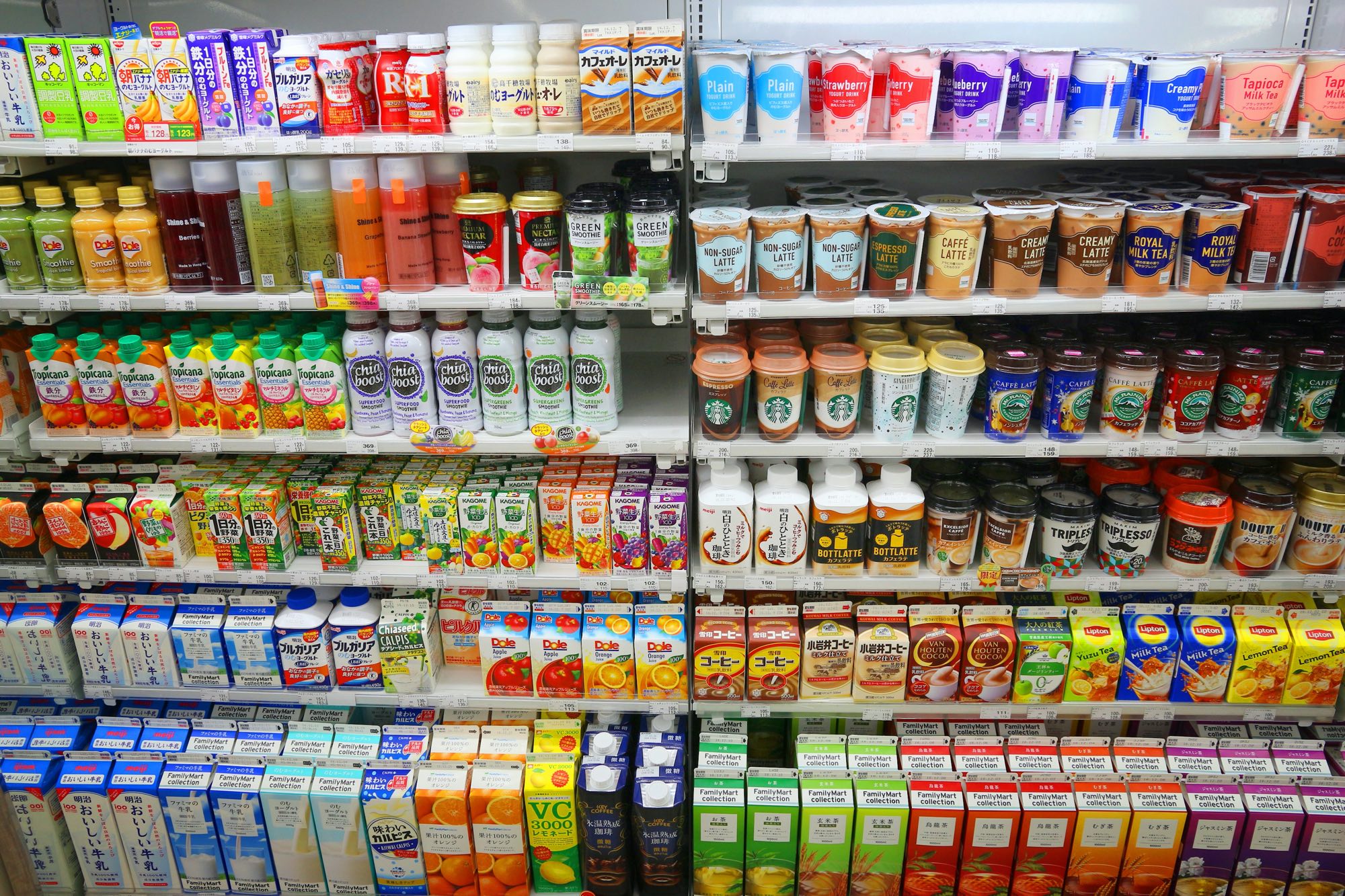
Japanese Decoded: Nutrition Labels - Savvy Tokyo
How to Read a Nutrition Facts Label - Everyday Health When reading a nutrition facts label, look at the serving size first. "This helps put the nutrient information into context and allows comparison between products," says Goergen.

Berry Good Advice for Gardeners | Espoma
How To | Read Nutrition Facts on Food Labels - YouTube If you are interested in losing weight, check out this amazing product: Read Nutrition Facts on Food Labels Subscribe for more!...

Fall Flower Child – Add Bloom power to your garden | Espoma
How to Use the Nutrition Fact Label, Eat Right, NHLBI, NIH Get enough of these: potassium, fiber, vitamins A and C, calcium, and iron Use the Percent Daily Value (% DV) column when possible; 5% DV or less is low, 20% DV or more is high Visit the Smart Food Shopping page and learn how the label can help you choose foods lower in calories, fat, and added sugar to help maintain a healthy weight.

Garden Answer's Design Tips for a Romantic Cottage Garden | Espoma
How to Read Nutrition Facts Label - Food Network This carries over to all the other nutrients on the label. If 1 serving of a food has 120 mg of sodium, it can technically be labeled as a "low sodium" food. However, if you eat 3 servings, triple...

Why Fall is the Best Time to Plant Perennials | Espoma
Learn How the Nutrition Facts Label Can Help You Improve Your Health Read the Nutrition Facts labels on your packaged food and drinks to keep track of sugars, fats, protein, and other nutrients. Most sodium we consume is from salt, and salt is commonly in processed foods. Read labels and choose the product with less sodium. Drink plain water instead of sugary beverages.
Post a Comment for "43 reading nutrition fact labels"